Which is the best hair transplant clinic?
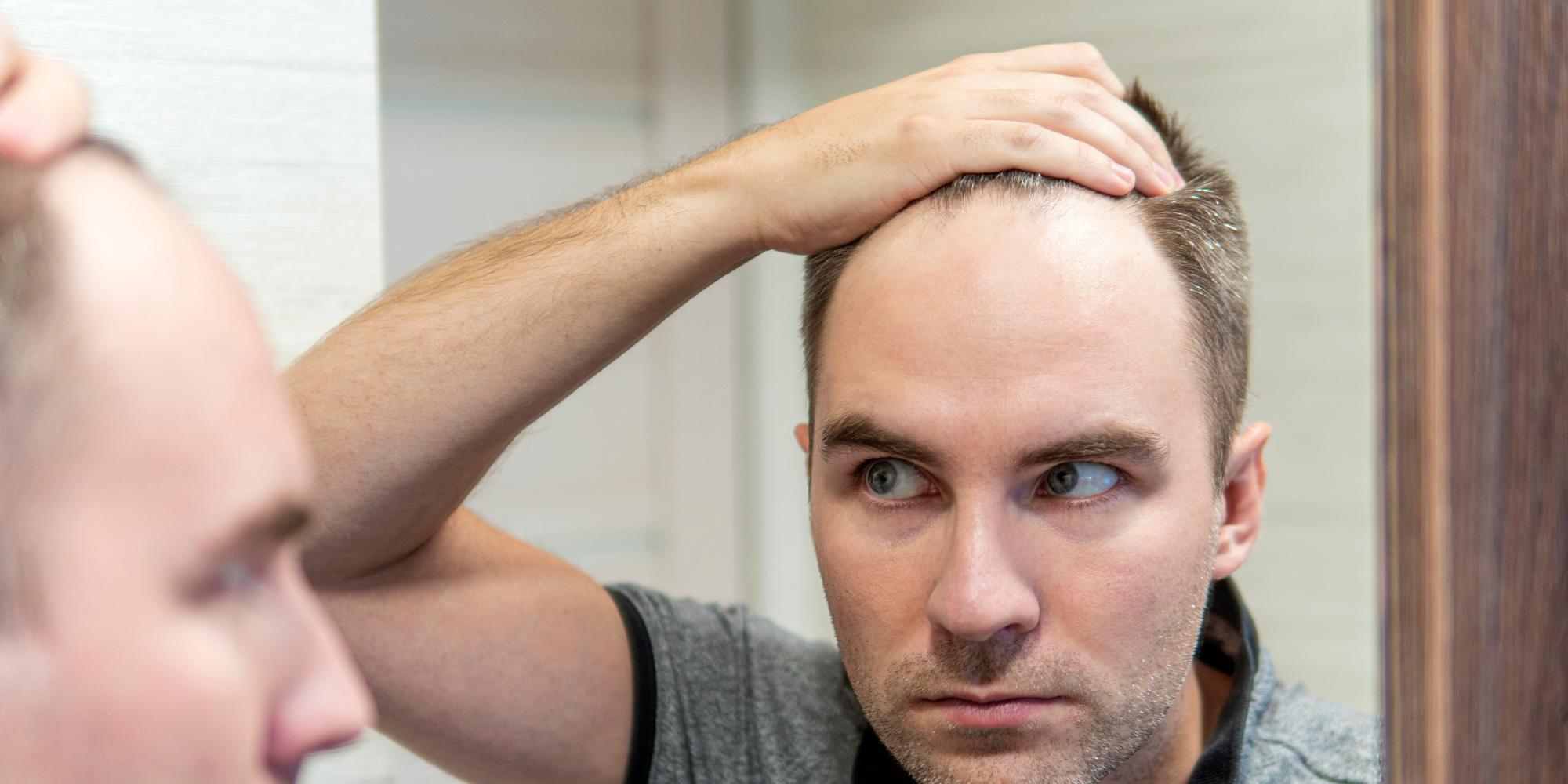

Hair is more than just a physical feature—it’s a significant part of our identity. For many people, losing hair can lead to anxiety and self-esteem challenges. By age 50, nearly 50% of men and women experience noticeable hair loss. This article delves into the science-backed strategies you can use to halt or reverse hair loss before it’s too late. We’ll explore the main causes of hair loss, the best treatments available, and practical steps you can take to stop hair fall and promote regrowth. Additionally, this content is based on videos shared by Dr. Gary Linkov, a licensed doctor in the U.S. and a hair transplant specialist, on his YouTube channel about Hair Loss. Dr. Gary’s insights on hair loss, miniaturization, and treatment methods form the foundation of this article. You can visit his YouTube channel here to learn more about the topic.
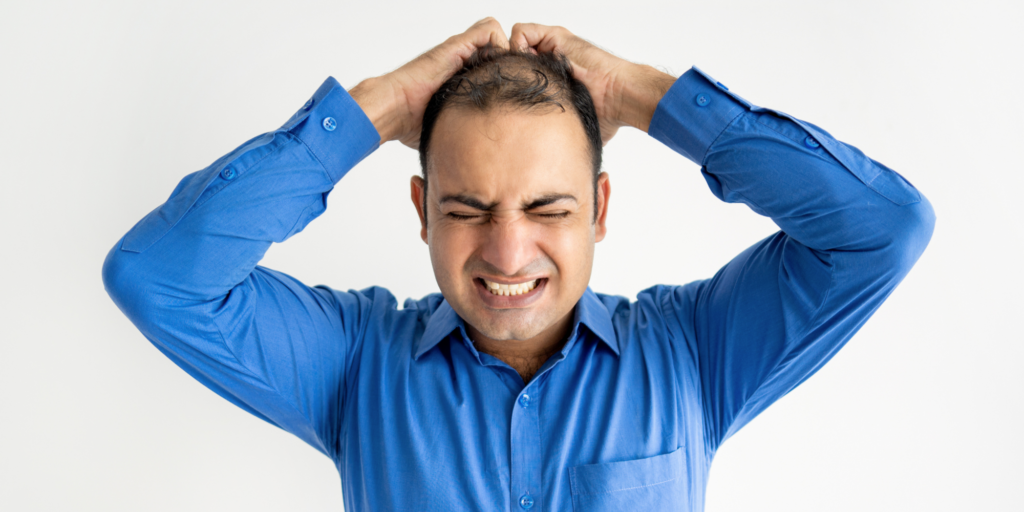
What Are the Main Causes of Hair Loss
Hair loss, or alopecia, can stem from various causes:
- Genetics (Androgenetic Alopecia): The most common cause, affecting both men and women. It’s linked to dihydrotestosterone (DHT), a hormone that shrinks hair follicles over time.
- Hormonal Imbalances: Conditions like thyroid disorders, polycystic ovary syndrome (PCOS), and menopause can trigger hair loss.
- Lifestyle Factors: Poor diet, stress, smoking, and lack of sleep can accelerate hair loss.
- Nutritional Deficiencies: Low levels of iron, vitamin D, zinc, and biotin are often linked to thinning hair.
- Medical Conditions: Scalp infections, autoimmune diseases (e.g., alopecia areata), and chronic illnesses can cause hair loss.
- Medications: Certain drugs, such as those for cancer, depression, and high blood pressure, may lead to hair shedding.
Miniaturization of Hair Follicles
Miniaturization is the process in male pattern baldness (androgenetic alopecia) where thick and healthy hair gradually turns into thin and weak hair. This occurs due to the shrinking and weakening of hair follicles over time. Early intervention is crucial to prevent hair thinning and maintain hair density.
In simpler terms: If your hair is losing its thickness and turning into fine hair, it’s important to notice this early and take steps to protect your hair.
The Psychological Impact of Hair Loss
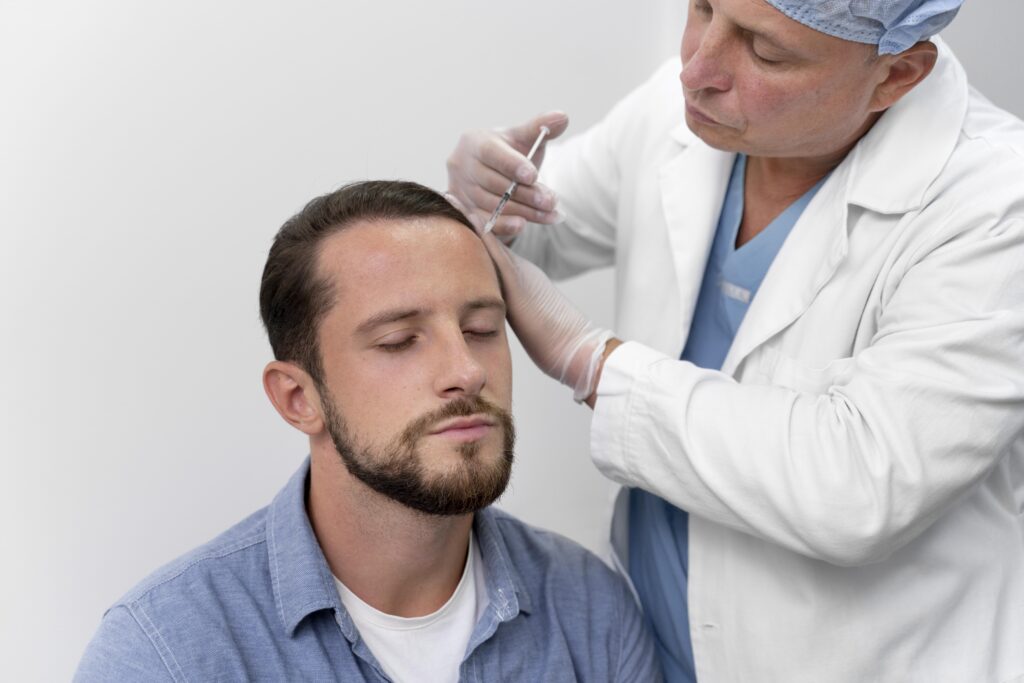
Hair loss isn’t just a physical issue—it can take a toll on mental health. Many individuals experience heightened anxiety, depression, and a loss of confidence. Stress, in particular, can worsen hair loss by triggering telogen effluvium, a condition where more hair follicles enter the shedding phase.
Understanding that you are not alone and that effective treatments exist can provide relief and hope.
Proven Treatments for Hair Loss
- Minoxidil: A Popular First Step
What is Minoxidil?
Minoxidil is an FDA-approved topical treatment that enhances blood flow to hair follicles, reversing miniaturization and promoting regrowth.
Benefits and Limitations:
- Works for both men and women.
- Requires consistent, lifelong use. If discontinued, any regained hair will be lost.
Lifelong Usage Considerations:
Minoxidil is a commitment. Results may take 3-6 months to become noticeable, and stopping treatment will reverse progress.
- Finasteride: Blocking DHT
How It Works:
Finasteride inhibits the enzyme 5-alpha-reductase, reducing DHT levels and preventing further hair follicle shrinkage.
Oral vs. Topical Forms:
- Oral Finasteride is highly effective but may cause side effects like reduced libido.
- Topical Finasteride offers a localized approach with fewer systemic side effects.
Common Side Effects:
Some users report hormonal side effects, but adjusting the dosage can help minimize these.
- Dutasteride: A Stronger Alternative
Dutasteride blocks both types of 5-alpha-reductase enzymes, offering stronger DHT suppression than Finasteride. It’s often used when Finasteride isn’t effective.
- Ketoconazole: Dual-Action Shampoo
Ketoconazole shampoos, like Nizoral, have antifungal and anti-inflammatory properties. They reduce scalp inflammation and may support hair regrowth.
Natural and Lifestyle Interventions
Topical vs. Oral Treatments
Comparing Effectiveness and Side Effects
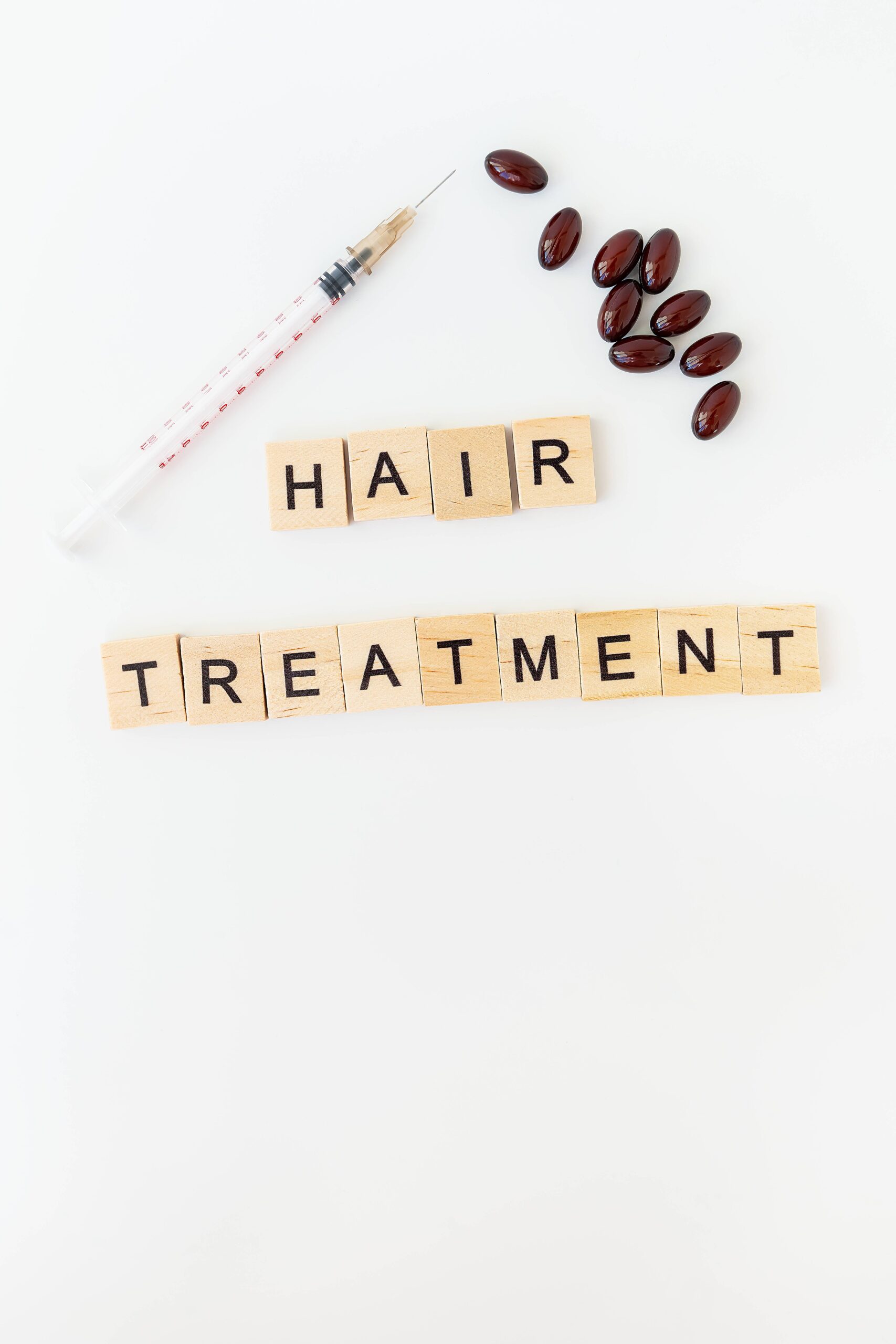
- Topical solutions like minoxidil, ketoconazole shampoos, and caffeine-based products are applied directly to the scalp and have minimal overall side effects on the body. Minoxidil revitalizes hair follicles, supporting healthier hair growth. Ketoconazole shampoos reduce scalp inflammation and fungal issues, helping hair become stronger. Caffeine-based products stimulate hair follicles, giving hair a fuller appearance. These methods are particularly effective in the early stages.
- Oral medications such as finasteride and dutasteride provide consistent control over DHT (dihydrotestosterone), a hormone that can weaken hair follicles. These drugs are highly effective in preventing thinning and, in some cases, promoting regrowth. However, since they can have systemic effects, they should be used under medical supervision. Potential side effects include hormonal changes and issues related to sexual function.
Shampoos and Scalp Care
Anti-Inflammatory and Antifungal Benefits
Ketoconazole shampoos reduce scalp inflammation and fungal infections, creating a healthier environment for hair growth. These types of hair loss shampoo products focus on scalp health and help strengthen hair follicles. Additionally, one of the vitamin deficiencies that can cause hair loss is vitamin D deficiency. Vitamin D supports the health of hair follicles, and its deficiency can trigger hair loss. Therefore, it’s important to check your vitamin D levels to maintain healthy hair.
Other Medicated Shampoos
For supporting hair health, look for shampoos containing ingredients like caffeine, saw palmetto, and zinc. Caffeine stimulates hair follicles and promotes growth. Saw palmetto blocks DHT, a hormone that contributes to hair loss. Zinc helps maintain a healthy scalp and supports cell regeneration. These ingredients are commonly found in hair loss shampoo options and provide effective support in combating hair loss.
Managing Side Effects
- If you experience side effects from treatments like Finasteride, consult your doctor about adjusting the dosage or switching to a topical formulation.
- Regular blood tests can help track DHT and hormone levels, ensuring your treatment plan is effective and safe.
Preventative Strategies
Early Detection and Intervention
The sooner you address hair loss, the better your chances of preserving hair density. Look for signs like increased shedding (finding more hair on your pillow, in the shower, or on your hairbrush) or thinning at the crown (the top of your head). Pay attention to changes in your hairline, especially if it’s receding or becoming uneven. Early intervention is key because hair follicles weaken over time, and once they miniaturize too much, it becomes harder to restore them. If you notice these signs, consider consulting a dermatologist or a hair loss specialist to explore treatment options like minoxidil, finasteride, or low-level laser therapy. Lifestyle changes, such as reducing stress, improving your diet, and avoiding harsh hair treatments, can also make a significant difference.
Daily Habits to Maintain Scalp Health
- Avoid tight hairstyles that pull on the scalp.
- Use gentle, sulfate-free shampoos.
- Protect your scalp from sun damage.
FAQs
1. Can Stress Cause Hair Loss?
Yes, stress can indeed cause hair loss, and one of the most common stress-related hair loss conditions is telogen effluvium. This condition occurs when significant physical or emotional stress pushes a large number of hair follicles into the telogen (resting) phase prematurely. Normally, hair follicles cycle through growth (anagen), transition (catagen), and resting (telogen) phases. However, under stress, more hairs than usual enter the telogen phase, leading to increased shedding and noticeable thinning, often 2-3 months after the stressful event.
How to Manage Stress-Related Hair Loss
- Relaxation Techniques: Practices like meditation, deep breathing, yoga, or mindfulness can help reduce stress levels and prevent further hair shedding.
- Regular Exercise: Physical activity boosts endorphins, which counteract stress hormones and improve overall well-being.
- Healthy Sleep Habits: Prioritize 7-9 hours of quality sleep each night to allow your body to recover and reduce stress.
- Balanced Diet: Ensure your diet includes stress-reducing nutrients like magnesium, B vitamins, and omega-3 fatty acids.
- Professional Support: If stress becomes overwhelming, consider speaking with a therapist or counselor to develop coping strategies.
Recovery from Telogen Effluvium
The good news is that telogen effluvium is usually temporary. Once the stressor is addressed, hair typically returns to its normal growth cycle within 6-9 months. However, chronic stress can prolong the condition, so managing stress effectively is crucial.
By incorporating stress-reducing practices into your daily routine, you can not only improve your hair health but also enhance your overall quality of life. Remember, addressing the root cause of stress is key to preventing and reversing stress-related hair loss.
2. What Is the Best Thing for Hair Loss?
The best treatment for hair loss depends on its cause. For androgenetic alopecia (pattern baldness), Minoxidil and Finasteride are the most proven options. Minoxidil, a topical treatment, boosts blood flow to the scalp, promoting regrowth and thickening hair. Finasteride, an oral medication, reduces DHT levels, preventing further follicle shrinkage. While Minoxidil works for both men and women, Finasteride is primarily for men. Consistent use is key, and combining both often yields the best results. Consult a specialist to identify the cause of your hair loss and create a tailored treatment plan. Early action improves outcomes.
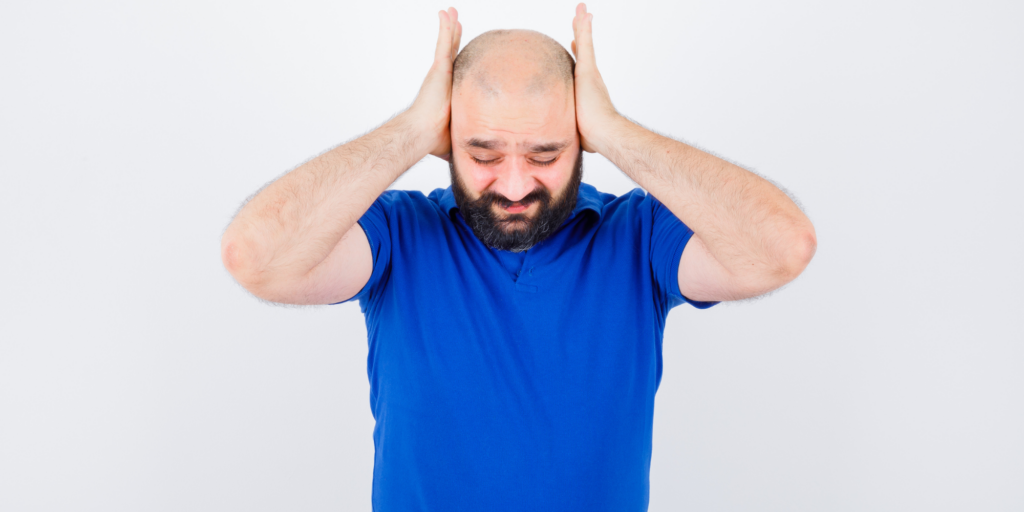
3. How Can I Stop My Falling Hair?
- Use FDA-Approved Treatments Like Minoxidil and Finasteride
- Minoxidil: This topical treatment is applied directly to the scalp and works by increasing blood flow to hair follicles, promoting regrowth and thickening existing hair. It’s suitable for both men and women and is most effective when used consistently. Results typically appear after 3-6 months of regular use.
- Finasteride: An oral medication that targets the root cause of male pattern baldness by inhibiting the enzyme 5-alpha-reductase, which converts testosterone into DHT (dihydrotestosterone). By reducing DHT levels, Finasteride helps prevent further hair loss and can even reverse miniaturization in some cases. It’s highly effective for men but requires a prescription.
- Maintain a Healthy Diet and Lifestyle
- Nutrient-Rich Diet: Ensure your diet includes essential vitamins and minerals like iron, vitamin D, zinc, and biotin, which are crucial for hair health. Foods like leafy greens, eggs, nuts, and fish can support hair growth.
- Exercise Regularly: Physical activity improves blood circulation, delivering more oxygen and nutrients to your scalp and hair follicles.
- Manage Stress: Chronic stress can trigger hair loss conditions like telogen effluvium. Incorporate stress-reducing practices such as yoga, meditation, or mindfulness into your routine.
- Avoid Harmful Habits: Smoking and excessive alcohol consumption can negatively impact hair health, so reducing or eliminating these habits is beneficial.
- Address Underlying Medical Conditions
- Hormonal Imbalances: Conditions like thyroid disorders, PCOS, or low testosterone can contribute to hair loss. Consult a healthcare provider to diagnose and treat these issues.
- Nutritional Deficiencies: A simple blood test can identify deficiencies in iron, vitamin D, or other nutrients. Supplements or dietary changes can help restore balance.
- Scalp Conditions: Issues like dandruff, psoriasis, or fungal infections can hinder hair growth. Medicated shampoos or treatments can address these problems.
- Chronic Illnesses: Diseases like diabetes or autoimmune disorders may impact hair health. Proper management of these conditions is crucial.
By combining FDA-approved treatments, a healthy lifestyle, and addressing underlying medical conditions, you can create a comprehensive strategy to stop hair loss and promote regrowth. Consistency and early intervention are key to achieving the best results.
4. Which Vitamin Deficiency Causes Hair Loss?
Hair loss is often linked to deficiencies in essential nutrients like iron, vitamin D, zinc, and biotin. Iron supports oxygen delivery to hair follicles, vitamin D aids in follicle cycling, zinc promotes hair tissue repair, and biotin is crucial for keratin production. A lack of these nutrients can weaken hair follicles, leading to thinning and shedding. A simple blood test can identify deficiencies, allowing you to address them through diet, supplements, or medical advice. Ensuring your body has the right nutrients is a key step in maintaining healthy hair and preventing further loss.
5. Are There New Hair Loss Treatments?
When it comes to combating hair loss, science is constantly evolving, offering innovative solutions beyond traditional treatments like Minoxidil and Finasteride. Among the most promising new hair loss treatments are Low-Level Laser Therapy (LLLT) and Platelet-Rich Plasma (PRP) Injections. While these methods show significant potential, they are still under extensive research to fully understand their efficacy and long-term benefits.
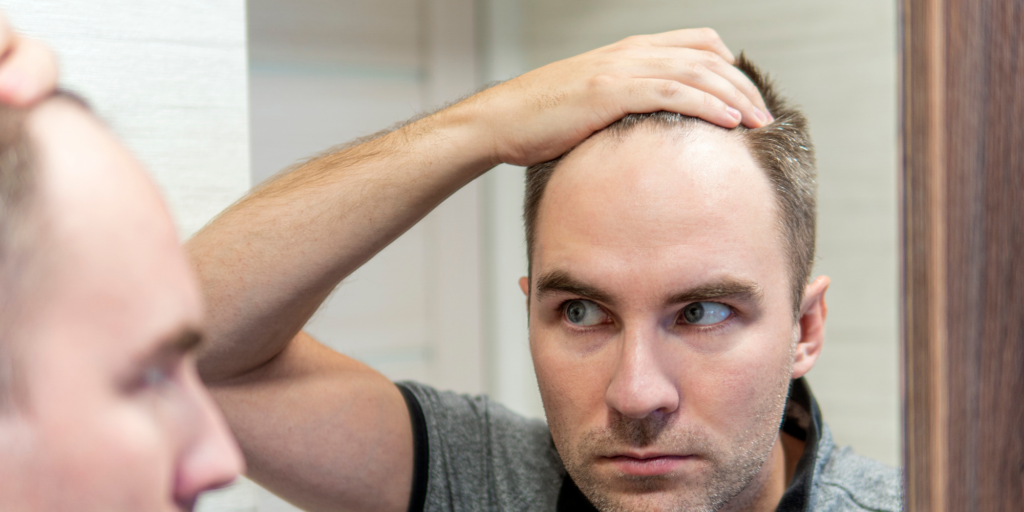
6. What’s the Best Hair Loss Treatment for Men?
For many men, combining Finasteride and Minoxidil delivers the best results. Finasteride targets the hormonal factors that weaken hair follicles, while Minoxidil improves blood circulation to the scalp, ensuring healthier follicles. These two treatments complement each other, creating a powerful synergy. Research shows that men who use both treatments experience significantly better outcomes compared to those who use only one. This combination is particularly effective in the early stages, helping to prevent thinning and achieve a fuller appearance. However, it’s important to use these treatments under medical supervision and consistently for optimal results.
Conclusion
Hair loss can be a distressing experience, but science offers numerous solutions to halt or even reverse the process. From medications like Minoxidil and Finasteride to lifestyle adjustments, a proactive approach is essential. Don’t wait until it’s too late—start your hair restoration journey today! Visit this link to compare hair transplant clinics, connect with expert doctors, and take the right steps toward regaining your hair. Remember, early action is the most effective way to protect your hair!