Which is the best hair transplant clinic?

Hair transplantation has become an increasingly popular aesthetic procedure, especially among men. However, finding accurate and reliable information about this process is not always easy. People have many questions about how the procedure is performed, how long the process takes, and whether the results will truly meet their expectations.
When renowned content creator Mo Samuels decided to undergo a hair transplant, he also had countless questions in his mind. He was curious about the procedure, the level of pain involved, the recovery time, and the final results. Amid all these uncertainties, he embarked on a meticulous research process to make the best possible decision.
Hair Transplant in Istanbul Six Months Progress and What to Expect
Six months ago, Mo had a hair transplant in Istanbul, Turkey, and he has shared his journey in detail. This article covers every stage of the process, from the initial surgery to the six-month recovery period. Mo explains that he has currently achieved about 50% of the final results. “At six months, you can see about 50-60% of the results,” he says. If this 50% improvement is accurate, he expects his hair to become fully dense and natural-looking by the end of the first year. He even adds that 100% of the results will be visible after a year and a half.
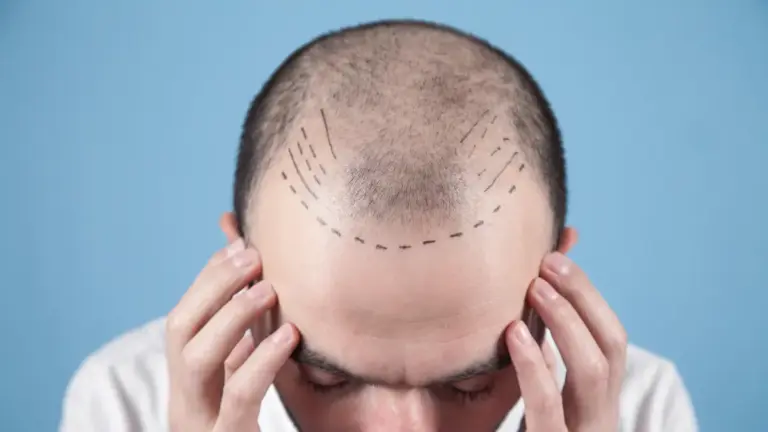
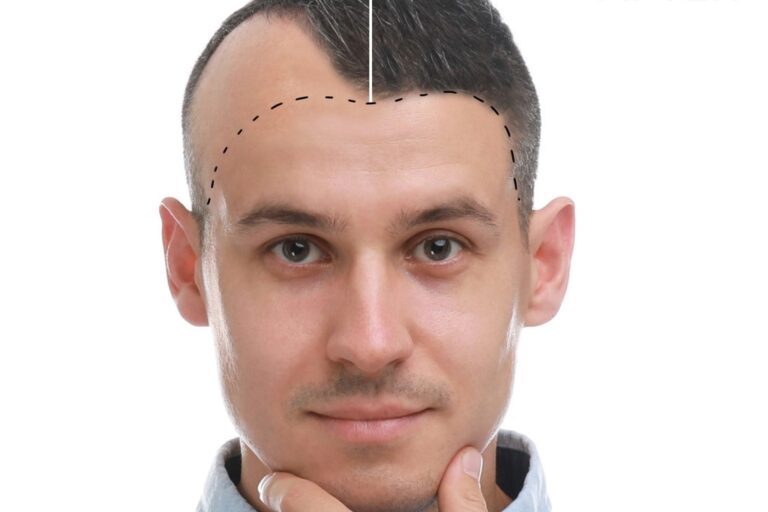
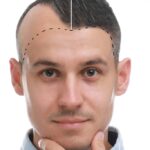
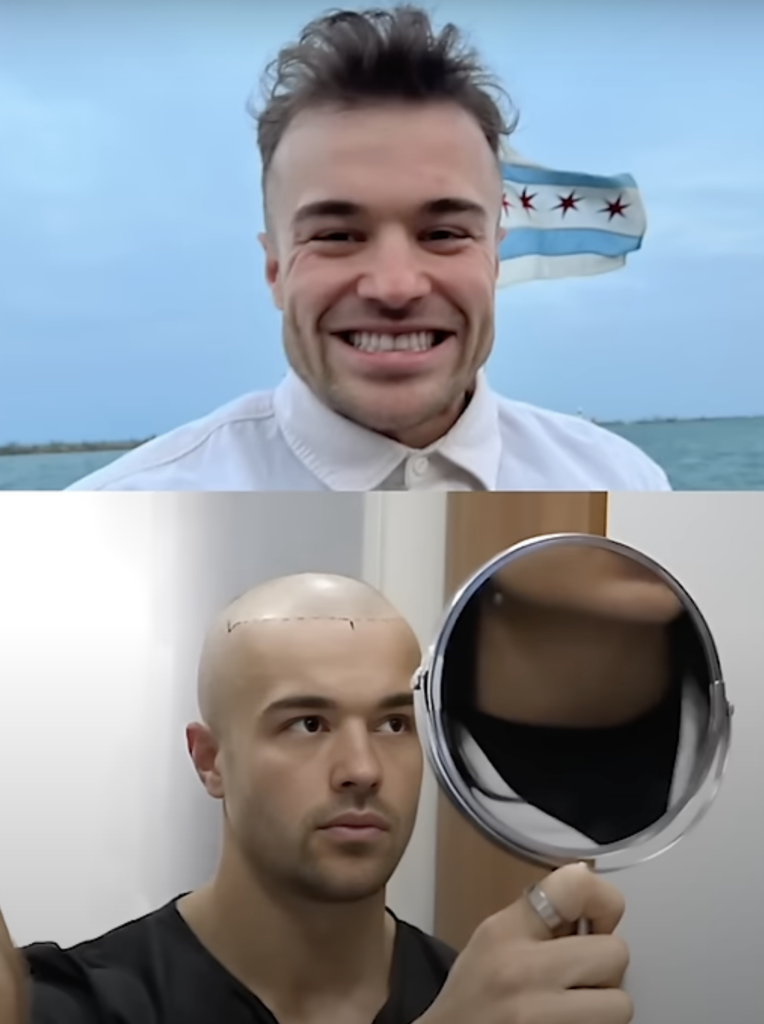
Mo agrees with this general timeline and mentions that his hairline was designed to create a shorter forehead appearance. Looking at the marked photos, it’s clear that there was already some hair in the central area of his hairline. However, the hairline was initially positioned quite low. These details help us better understand Mo’s hair transplant journey and make us curious to follow the rest of his progress.
The Decision to Get a Hair Transplant and Preparation
When Mo Samuels decided to get a hair transplant, he noticed that his hairline was receding and his hair was thinning significantly. “My hairline had completely receded,” Mo says. “I thought about waiting a bit longer because getting it done later might have been better.” However, he grew tired of constantly worrying about his hair and losing confidence. Hair loss, especially when it starts at a young age, can seriously affect a person’s self-esteem. Mo experienced this firsthand and decided to undergo a hair transplant to restore both his appearance and his confidence.
Before the procedure, Mo did extensive research. Instead of going to the first clinic he found online, he examined the past work of various clinics, researched the doctors’ experience, and carefully read reviews. “Make sure you speak with the doctor before committing to the surgery,” he advises. “In many clinics, you never even see the doctor; it’s just technicians handling everything.” Mo emphasizes the importance of the doctor’s experience and past work. He also highlights that a pre-surgery consultation with the doctor is crucial for setting clear expectations.
Mo also discussed the design of his hairline with the doctor in detail. “When I looked at the marked photos, it seemed like they lowered the central hairline even further than where my hair originally was,” he says. This was a choice to achieve a younger and fuller hairline. However, Mo is aware that there might be further thinning in other areas of the scalp in the future, which could require additional grafts. “I hope they left enough grafts in reserve so that if we need to transplant to other areas later, we can,” he adds.
Additionally, Mo stresses the importance of continuing medical treatments to prevent further hair loss. “Using medications like finasteride to prevent further hair loss is crucial,” he says. These medications can help maintain the long-term results of the transplant.
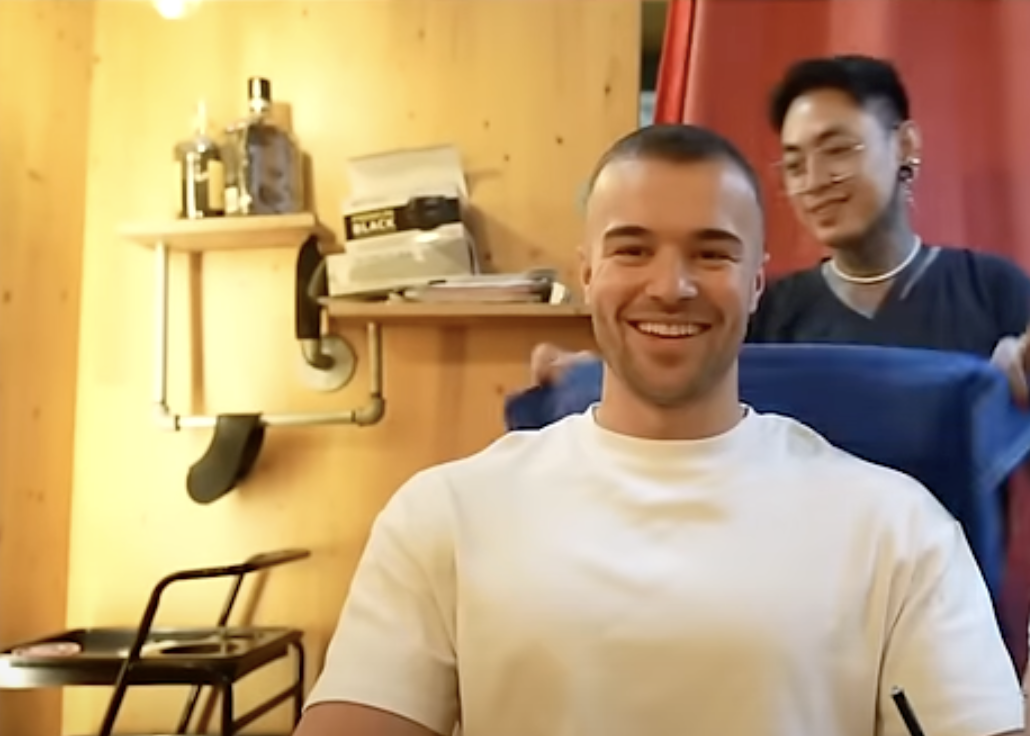
Mo also thought carefully about whether to shave his head before the procedure. “You don’t have to shave your head, but if you do, the results are slightly better, and the process moves a bit faster,” he explains. Mo chose to shave his head and embraced the bald look as a kind of “baptism by fire.” “I realized that being bald isn’t so bad, and it was mentally liberating for me,” he adds.
In the end, Mo’s decision to get a hair transplant was not just about physical transformation but also about regaining his confidence and worrying less about his hair. His thorough research and open communication with the doctor played a key role in achieving successful results.
The Surgery Process
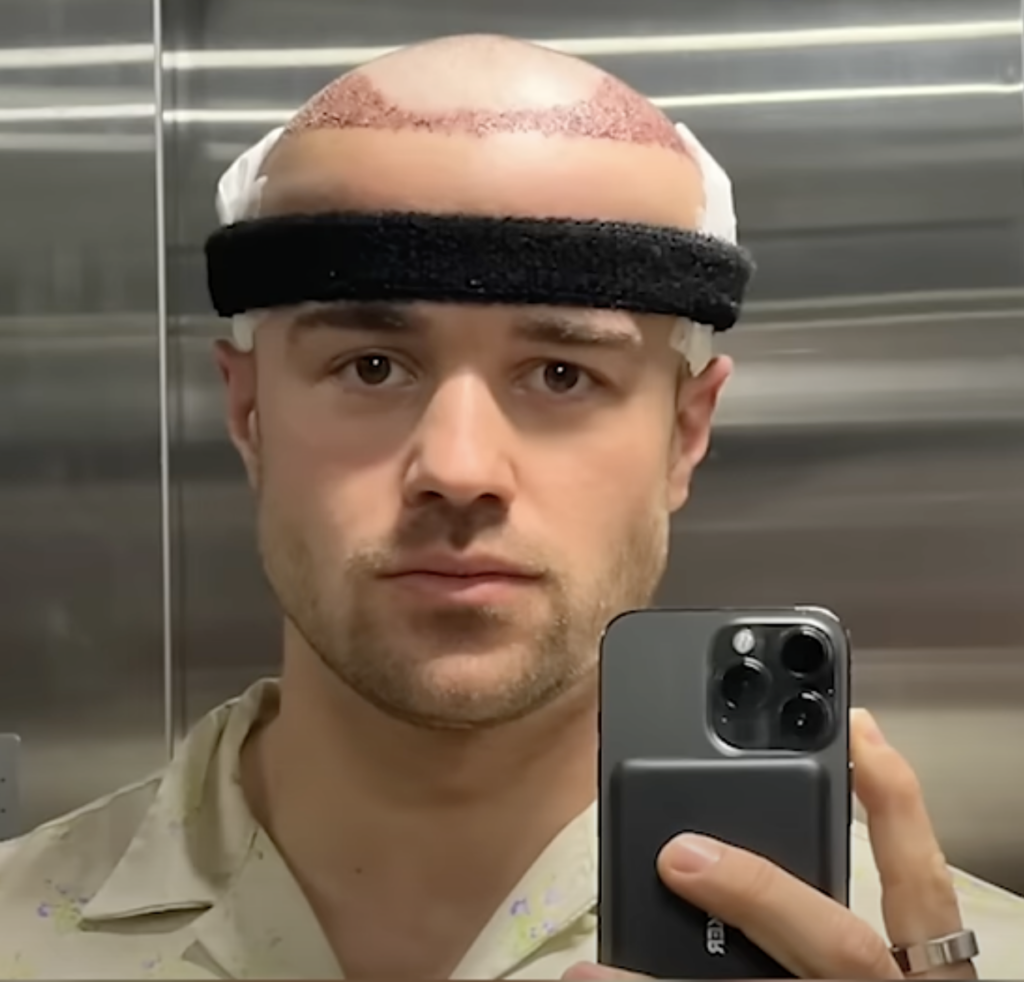
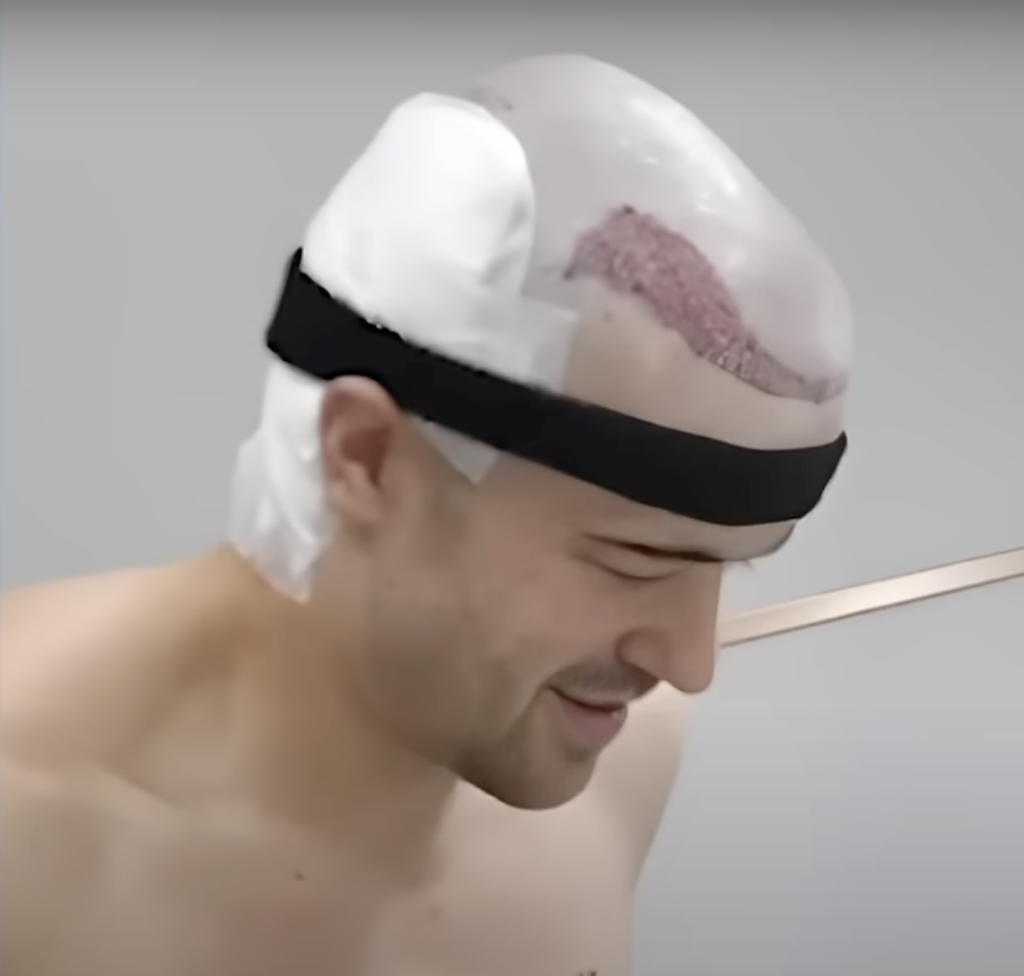
Mo Samuels describes the hair transplant surgery process as “not very painful.” During the procedure, his entire head was numbed, so he didn’t feel any pain—just a long and slightly uncomfortable experience, similar to a lengthy haircut.
However, he emphasizes the need to be very careful in the first few days after the surgery to avoid damaging the grafts. “I hit my head on the car door while getting in and thought I ruined everything,” he says, highlighting how delicate the grafts are in the initial stages. Any trauma to the scalp must be avoided during this time.
After the surgery, Mo went home and focused on resting. He didn’t do much in the first few days. On the second day, he decided to go out and embrace his bald look. “I didn’t want to hide, so I walked around with a bald head, kind of like Andrew Tate’s tech-bro Matrix style,” he says. During this time, he noticed people staring at him, and one woman even complimented him, saying, “Your hair looks great.” Of course, he had to warn her, “No, you can’t touch it.” The first few weeks require extreme caution to protect the grafts.
Mo also mentions that swelling is normal after the surgery. “Between the third and sixth days, I had terrible swelling,” he explains. He believes that wearing a headband caused the swelling to concentrate around the grafts, which isn’t ideal. “It’s better not to wear a headband,” he advises. The swelling made his hairline appear higher than it actually was, which caused some concern. However, as the swelling subsided, he realized the hairline was in the right place.
During the recovery period, it’s important to avoid smoking, alcohol, and sun exposure. Any activity that could harm the grafts should also be avoided. Mo recommends, “I advise my patients to wear a loose hat after three days.” These hats, specifically designed for post-transplant care, have a stiffer front to protect the grafts. Mo found these hats to be very comfortable and helpful during the recovery process.
Patience and following the doctor’s advice are key to achieving successful results.
Recovery Process: The First Few Weeks
The first few weeks after the surgery were quite challenging. “The first few days were uncomfortable due to swelling and itching,” Mo recalls. “I was also prepared for the ‘ugly duckling’ phase.” During this phase, the transplanted hair falls out before starting to grow back. Mo emphasizes the importance of being patient during this time. Swelling is normal in the first week, and Mo advises against wearing a headband, as it can make the swelling worse.

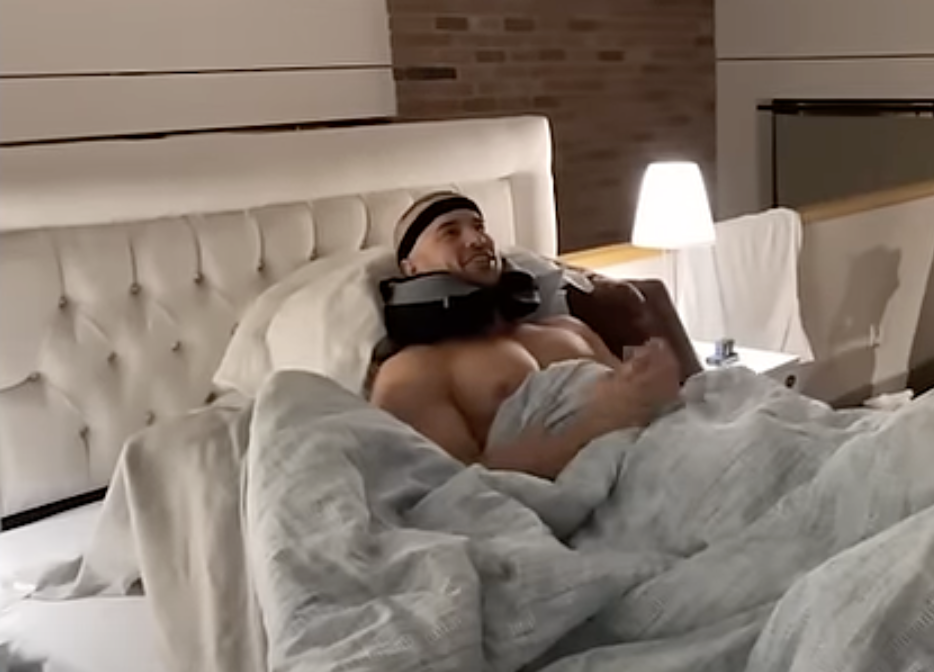
For the first 10 days, it’s important to avoid sweating, sun exposure, and to wash your hair gently. “I started picking off the scabs in the shower, but I was very careful not to damage the grafts,” Mo says. The scabs are part of the healing process and usually fall off within 10-14 days. Mo stresses the importance of not forcing the scabs off and instead gently massaging them during showers.
3-6 Months: The Growth Phase
By the third month, Mo noticed that his hair was starting to grow back. “At three months, I started seeing tiny baby hairs,” he says. “By six months, about 50% of my hair had grown back.” Mo kept his hair trimmed regularly during this time to make it look fuller. However, he admits that the hairline still looked a bit artificial. “Up close, you could tell I had a hair transplant,” he says. “But that’s normal because the full results take about a year to show.”
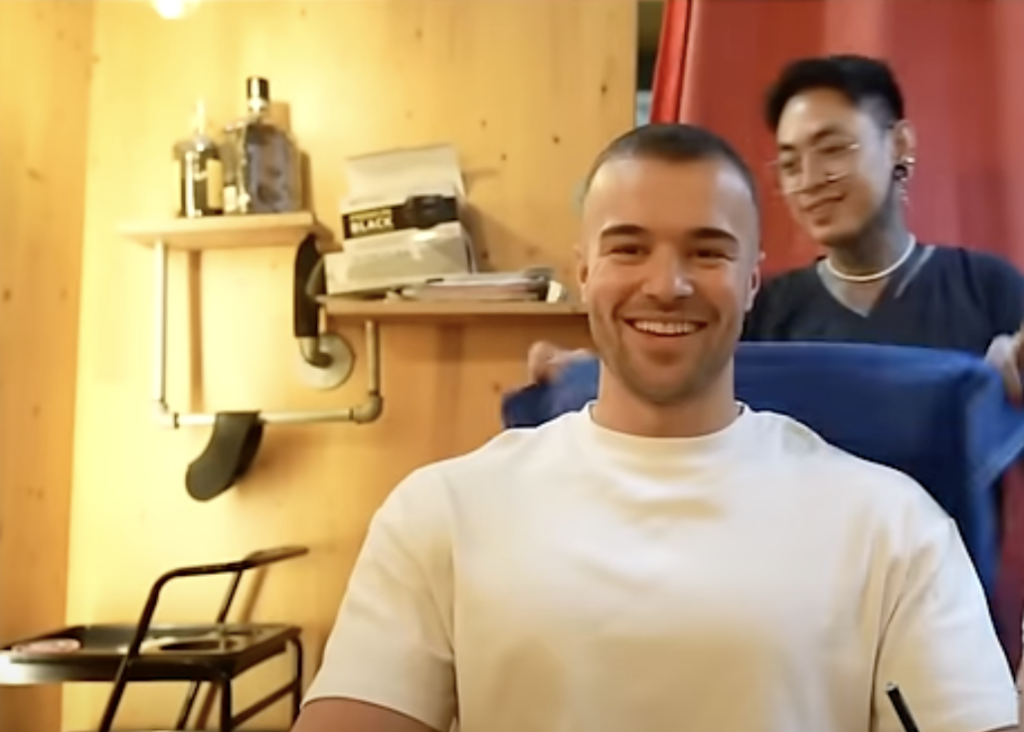
Mo explains that at six months, about 50% of the results are visible, and patience is key. “By the end of the first year, you’ll see 95% of the results, and by a year and a half, you’ll have 100%,” he adds. During this time, the hair continues to grow and thicken naturally.
Hair Transplant Tips and Important Advice
Hair transplantation is both a physical and psychological transformation. Mo Samuels’ experiences and his doctor’s advice highlight important points to consider during this process.
Here are some golden tips for anyone considering a hair transplant:
1. Manage Your Expectations
- Hair Transplants Aren’t a Miracle: A hair transplant won’t completely stop hair loss. You may need to take medications like finasteride for life to maintain the results.
- Aim for a Natural Look: While everyone wants a youthful, dense hairline, achieving a natural look may require some compromises. For example, lowering the hairline too much can cause issues if you experience further thinning in the crown area later.
2. Choose the Right Clinic and Surgeon
- Research the Surgeon’s Experience: Don’t just focus on the clinic’s name—look into the surgeon’s past work and aesthetic style. Every surgeon has a unique approach, and it’s important that their style aligns with your expectations.
- Check Before-and-After Galleries: Review the clinic’s gallery of previous work, either on their website or social media platforms like Instagram.
- Consult with the Surgeon: Always have a face-to-face consultation with the surgeon before the procedure. Some clinics only let you interact with consultants, which can lead to miscommunication.
3. Post-Surgery Care
- Protect the Grafts: Be extremely careful in the first few days to avoid damaging the grafts. Any trauma to the scalp can dislodge them.
- Manage Swelling: Swelling is normal after the surgery. Avoid wearing headbands, as they can concentrate swelling around the grafts.
- Use a Loose Hat: After three days, you can wear a loose hat designed for post-transplant care. These hats have a stiffer front to protect the grafts.
4. Be Patient During Recovery
- The Ugly Duckling Phase: The transplanted hair will fall out before growing back. This is normal, so don’t panic.
- Shock Loss: You may also experience temporary shedding of existing hair around the transplanted area. This hair will grow back over time.
5. Long-Term Maintenance
- Finasteride and Minoxidil: Continue using these medications after the transplant to prevent further hair loss. Finasteride stops hair loss, while minoxidil promotes hair thickening.
- PRP and Microneedling: These treatments can help speed up hair growth and improve hair health, but they’re not necessary for everyone. Discuss with your doctor.
- Healthy Lifestyle: A balanced diet and proper hair care are essential for maintaining long-term results.
6. Set Realistic Aesthetic Goals
- Natural-Looking Hairline: Lowering the hairline too much can cause problems if you experience further thinning in the crown area later. A slightly higher hairline may be more sustainable in the long run.
- Compromises Are Necessary: While everyone wants a dense, youthful hairline, achieving a natural look may require some trade-offs.
7. Post-Surgery Lifestyle Adjustments
- Avoid Smoking and Alcohol: These can slow down the healing process, so avoid them for the first few weeks.
- Stay Out of the Sun: Sun exposure can damage the grafts, so wear a hat when going outside.
- Limit Physical Activity: Stick to light activities for the first two weeks. Avoid gyms, swimming, and saunas for at least three weeks.
8. Evaluating the Results
- 6 Months and Beyond: You’ll see about 50-60% of the results by six months. Full results take about a year and a half.
- Be Patient: Hair growth takes time, so follow your doctor’s advice and stay patient.
Conclusion
Hair Transplants Aren’t a Miracle, but Great Results Are Possible with the Right Approach. Mo Samuels’ experience shows how much care and patience the hair transplant process requires. With the right information and advice, you can navigate this journey more comfortably and achieve the results you desire. Remember, a hair transplant isn’t a miracle, but with the right approach, you can achieve fantastic results. Mo’s experience serves as a valuable guide for anyone considering a hair transplant. Choosing the right clinic, following post-surgery care, and being patient are essential for a successful outcome.